

Sentiosonics looks at what sound and music actually do to the mind and body, and how sure anyone can be about it. We summarise the research, grade every study against a published rubric, and check what the press says against the papers it cites. Some of it holds up well. Some of it doesn't. We tell you which.
Ideas & articles
Essays and explainers on sound, music and the brain, held to the same standard as the research library: every claim sourced, opinion labelled as opinion.
Read moreThe science
Studies on entrainment, music therapy and sound-based practices, each summarised in plain English and graded on how much weight it can bear. New papers every week, and we are working back to the first ones in the field.
Read moreIn the news
When a headline makes a claim about sound and the brain, we read the paper behind it and say whether the story is accurate, fair, overstated or misleading.
Read moreArticles & ideas


Do binaural beats work? An evidence scorecard by outcome
The honest answer depends entirely on what you want them to do. Strong evidence for anxiety before surgery, weak for everyday calm…

The Science and Practice of Sound in Meditation: From Ancient Chanting to Modern Brainwave Entrainment
From Tibetan singing bowls and chant to gong baths and binaural beats: how sound is used in meditation, and what research says about why…
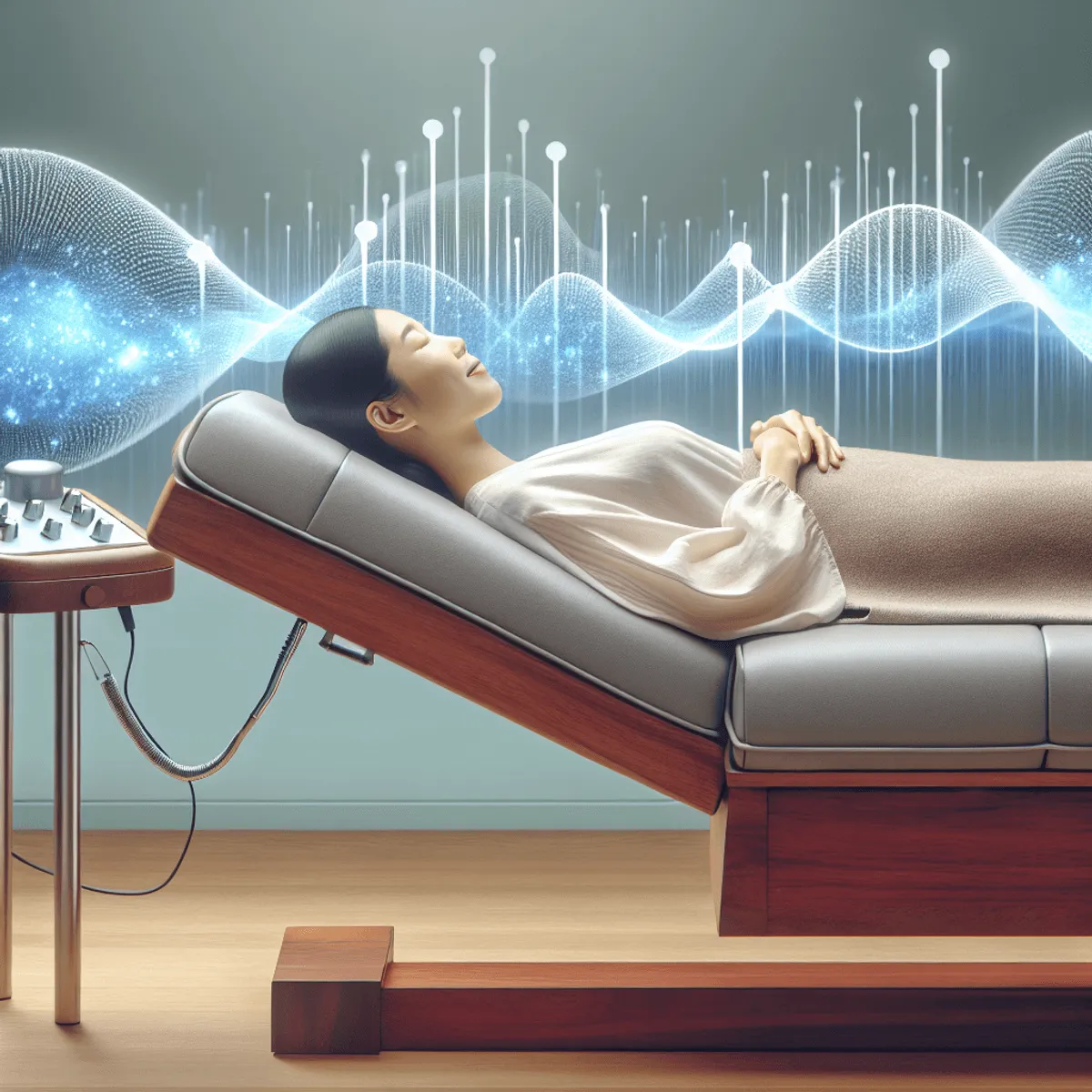
Vibroacoustic Therapy: The Science Behind Its Soothing Effects
How vibroacoustic therapy uses low-frequency sound vibration for relaxation and stress relief: how it works, who it may help, its limits…
Every piece says what it is
Research summaries carry an evidence grade based on study design, sample size, controls, blinding and replication. Every grade shows its working on the study page.
Research library
Theta binaural beats and pain: 13 trials, but only four could be pooled
The first systematic review of 40 Hz light and sound in older adults: eight studies, and no consistent cognitive benefit
Music therapy for substance misuse: sixteen people, one significant EEG difference
Four things to listen to during an MRI, and what 400 patients reported afterwards
Latest response
Graded: “Making Music May Rewire the Addicted Brain”
Our read: OverstatedA 16-person pilot found real within-session craving drops and one significant EEG difference. The coverage reported a non-significant brainwave result as a marked reduction.
Read our response